Source anti slippery soft indoor house slipper for Hotels, Homes, Spas
Compare 30 listings for anti slippery soft indoor house slipper options featuring plush uppers, EVA soles, and customizable sizes. Buyers can review specifications like thickness, packing, and origin from Jiangsu Yangzhou suppliers.
Key considerations
Products List


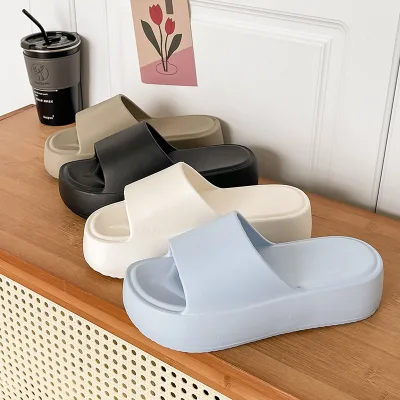


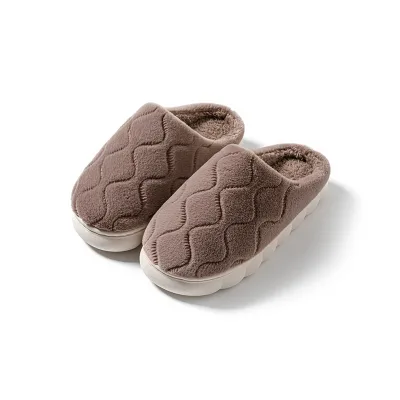
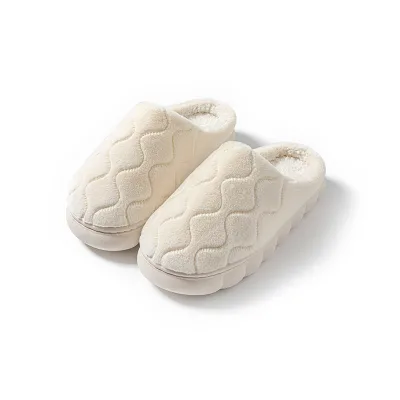
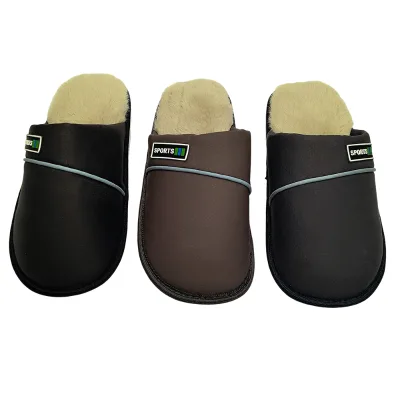


Comprehensive Sourcing Guide
Strategic Sourcing Guide for Anti-Slippery Soft Indoor House Slippers
Understanding Product Composition and Technical Specifications
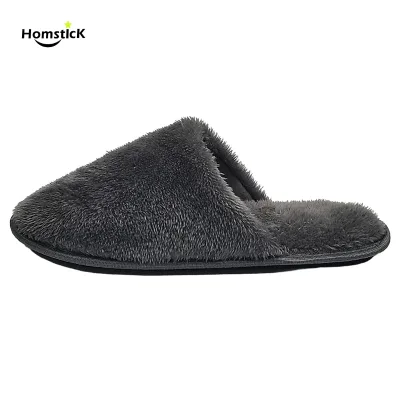
When sourcing anti-slippery soft indoor house slippers, the primary objective is to identify products that balance comfort with safety through specific material engineering. The core functionality relies heavily on the interaction between the upper material and the outsole composition. Based on observed market data, the upper section of these slippers frequently utilizes plush materials, which provide the necessary softness and thermal insulation required for indoor environments. This plush construction is essential for the "soft" attribute in the core keyword, ensuring the footwear feels comfortable against the skin during extended wear.
The outsole is the critical component for the "anti-slippery" requirement. Market observations indicate that Ethylene-Vinyl Acetate (EVA) is a prevalent material choice for the outsole in this category. EVA is favored for its lightweight nature and inherent shock absorption, which contributes to the overall softness of the product. In some configurations, the sole material is a composite of EVA and Polyvinyl Chloride (PVC), or entirely PVC, which can offer different friction characteristics depending on the specific formulation. The thickness of the sole is another vital specification; data points suggest sole thicknesses around 6mm, while the sponge layer within the footbed may be approximately 3mm. These dimensions are not merely aesthetic but directly influence the cushioning and stability of the slipper.
The structural design also includes specific toe styles and closure patterns. The toe style is typically round, which accommodates various foot shapes and prevents constriction. The close pattern is often designed to fit the foot securely, sometimes utilizing a specific "foot" pattern to ensure the slipper stays on during movement. It is important to note that while some products are marketed for hotel use, the fundamental construction remains consistent: a non-disposable, hand-made item designed for repeated use. The size specifications observed range significantly, with some listings indicating dimensions like 35cm or 27*12cm, while others reference standard sizing charts ranging from EUR 36 to 50 or US 5 to 50. Buyers must verify the exact dimensional standards of the specific model, as "one size fits all" is rarely accurate for safety-critical footwear.
Compliance, Certification, and Safety Verification
In the B2B procurement of indoor footwear, compliance and certification are paramount, particularly when the product is intended for use in hospitality settings or for general household safety. While specific certification statuses such as ISO9001, GOTS, BSCI, or Oeko-Tex are often associated with the industry, buyers must treat these as verification targets rather than guaranteed attributes of every listed product. The absence of a specific certification in a product listing does not inherently disqualify the item, but the presence of a claim requires rigorous validation.
Buyers should prioritize verifying that the materials used, particularly the plush upper and the EVA or PVC sole, meet relevant safety standards for flammability and chemical content. For products intended for hotel environments, compliance with local fire safety codes is often mandatory. The "Hotel Slippers" category often implies a need for specific hygiene standards, yet the product data indicates that these items are generally non-disposable and washable, which suggests a durability that must be maintained through proper material selection.
When evaluating suppliers, it is crucial to request documentation that confirms the origin of the materials. The place of origin is frequently cited as China, with specific manufacturing hubs in Jiangsu Yangzhou. This regional concentration suggests a mature supply chain, but it also necessitates careful vetting of individual factories. Buyers should not assume that all products from this region meet international standards without explicit proof. The verification process should include checking for third-party test reports that confirm the anti-slip properties of the outsole under wet and dry conditions. Since the "anti-slippery" claim is a functional performance metric, it must be backed by empirical data rather than marketing language.
Cost Drivers and Pricing Dynamics
The pricing structure for anti-slippery soft indoor house slippers is influenced by a complex interplay of material costs, labor intensity, and order volume. The observed price range in the market spans from approximately $0.20 to $5.85 USD, a wide variance that reflects differences in quality, customization, and order quantity. Several key factors drive these costs. First, the material composition plays a significant role; slippers with higher-grade plush or specialized EVA compounds will command a higher price point compared to those using standard materials.
Labor costs are another major driver, particularly for products listed as "Hand Made." Hand-crafted slippers often involve more intricate assembly processes, such as precise stitching or bonding of the plush upper to the EVA sole, which increases the unit cost. Conversely, fully automated production lines may reduce costs but could compromise the perceived quality or comfort of the plush material. The customization options available, such as OEM branding or specific color variations (e.g., pink or white), also add to the cost. Customization requires additional setup time and potentially smaller batch runs, which impacts the per-unit price.
Order volume is perhaps the most significant variable affecting the final cost. The Minimum Order Quantity (MOQ) observed ranges from as low as 1 unit to as high as 5000 units. Buyers purchasing at the lower end of the MOQ spectrum will typically face higher per-unit costs due to the fixed costs of setup and logistics being spread over fewer items. As the order volume increases, the economies of scale kick in, significantly reducing the unit price. Additionally, packaging requirements influence costs; options such as individual polybagging or bulk carton packing (e.g., 10 pairs or 30 pairs per carton) have different material and labor implications. Buyers must balance their budget constraints with the need for adequate packaging to protect the product during transit, especially given the delicate nature of the plush material.
Typical Applications and Usage Scenarios
The versatility of anti-slippery soft indoor house slippers allows them to serve a wide range of applications, from residential use to commercial hospitality environments. The primary usage scenario identified is "Indoor," making them suitable for homes, apartments, and offices where barefoot walking is common. The soft, plush construction provides comfort on hard flooring surfaces like tile, wood, or laminate, while the anti-slip sole ensures safety by reducing the risk of falls.
In the hospitality sector, these slippers are a staple amenity. They are frequently categorized under "Hotel Slippers" or "Winter Slippers," indicating their use in guest rooms where warmth and comfort are prioritized. The non-disposable nature of many of these products suggests they are designed for durability, allowing hotels to wash and reuse them or provide them as a higher-quality amenity that guests may wish to keep. The specific mention of "Hotel Kitchen Supplies" and "Hotel Bedding" in product attributes highlights the broader context of hotel procurement, where slippers are part of a larger ecosystem of guest amenities.
Beyond hotels, these slippers are also used in care facilities, spas, and wellness centers where hygiene and comfort are critical. The "Unisex" gender classification indicates that the design is generally neutral, making it suitable for a broad demographic. The waterproof attribute is noted as "Not Waterproof" in some specifications, which is a crucial detail for buyers. This means the slippers are intended for dry indoor environments and should not be used in wet areas like bathrooms or showers unless specifically designed for such conditions. Buyers must align the product selection with the intended environment to ensure safety and longevity.
Supplier Evaluation and Operational Capabilities
Selecting the right supplier is a critical step in the procurement process. When evaluating potential partners, buyers should look beyond the basic product description and assess the supplier's operational capabilities. The "Hand Made" attribute suggests that the supplier may have a workforce skilled in manual assembly, which can be a quality differentiator. However, it also implies that production capacity might be limited compared to fully automated factories. Buyers should inquire about the supplier's ability to scale production to meet fluctuating demand.
The sample time is a key indicator of a supplier's responsiveness. Observed sample times range from 5 to 7 days, which is a reasonable turnaround for custom or standard samples. This timeframe allows buyers to evaluate the product quality before committing to a large order. Additionally, the packing specifications, such as "Each in One Polybag; Bulk in One Big Plastic Bag" or "1 Pair in 1 Box, 10 Boxes in 1 Carton," provide insight into the supplier's attention to detail and logistics readiness.
Suppliers located in regions like Jiangsu Yangzhou are known for their expertise in textile and footwear manufacturing. However, buyers should verify the specific factory's capacity and quality control processes. The "Customization" and "Custom/OEM" attributes indicate that the supplier is capable of producing branded or custom-designed slippers. This flexibility is valuable for buyers looking to create a unique product line. However, the complexity of customization should be weighed against the potential for increased lead times and costs.
Quality Control and Long-Term Procurement Considerations
Maintaining consistent quality is essential for long-term procurement success. Given the variability in materials and construction methods, buyers must implement a robust quality control (QC) strategy. This should include pre-production checks to verify material specifications, such as the thickness of the sponge and the composition of the sole. In-process inspections should monitor the hand-making process to ensure that the plush upper is securely attached to the EVA or PVC sole.
Post-production testing is equally important. Buyers should verify the anti-slip performance of the finished product through practical testing, such as walking on wet and dry surfaces. The durability of the plush material and the sole's resistance to wear and tear should also be assessed. For products intended for hotel use, the washability of the slippers must be confirmed to ensure they can withstand repeated cleaning cycles without losing their shape or softness.
Long-term procurement considerations involve building a sustainable relationship with suppliers. This includes establishing clear communication channels, agreeing on consistent quality standards, and planning for future customization needs. The ability to adjust order quantities and lead times based on market demand is a valuable asset. Buyers should also consider the environmental impact of their procurement, looking for suppliers who adhere to sustainable practices, even if specific certifications are not explicitly listed.
| Feature | Observation | Verification Requirement |
|---|---|---|
| Upper Material | Plush | Verify fiber content and softness durability |
| Outsole Material | EVA, PVC, or EVA+PVC | Confirm anti-slip coefficient and thickness |
| Construction | Hand Made | Assess consistency of stitching/bonding |
| Packaging | Polybag, Carton, or Box | Check for damage protection during transit |
| Origin | China (Jiangsu Yangzhou) | Verify factory audit and capacity |
| Sample Time | 5-7 Days | Confirm ability to meet urgent deadlines |
| Customization | Available (OEM) | Define branding and design constraints |
By focusing on these technical, operational, and quality aspects, buyers can effectively source anti-slippery soft indoor house slippers that meet their specific needs while mitigating risks associated with product inconsistency and supplier reliability. The goal is to secure a supply chain that delivers high-quality, safe, and comfortable footwear consistently over time.
FAQs
How are the anti slippery soft indoor house slippers constructed?
These slippers are hand-made with a plush upper and an EVA outsole. The construction includes a 3mm sponge layer and a 6mm sole thickness to ensure comfort and stability for indoor use.
What customization options are available for these indoor slippers?
Customization and OEM services are available for these slippers. Buyers can request specific colors like pink or white, and the product model can be customized to meet unique branding requirements.
Which materials are used for the upper and sole of these slippers?
The upper material is plush, providing softness for indoor wear. The outsole is made of EVA, sometimes combined with PVC, to deliver the necessary anti-slippery properties and durability for repeated use.
Can buyers order samples before placing a bulk order?
Yes, sample time is typically 5 to 7 days for these slippers. This allows buyers to verify the hand-made quality and material specifications before committing to larger quantities.
What is the packaging standard for bulk orders of these slippers?
Packaging varies by model, with options like 10 pairs per carton or 30 pairs per carton. Individual items are often packed in polybags, while bulk shipments use big plastic bags or cartons.
Where are these anti slippery soft indoor house slippers manufactured?
The place of origin is China, specifically from manufacturing hubs in Jiangsu Yangzhou. This region is known for its expertise in producing textile and footwear products for the global market.